 Nov 14, 2026
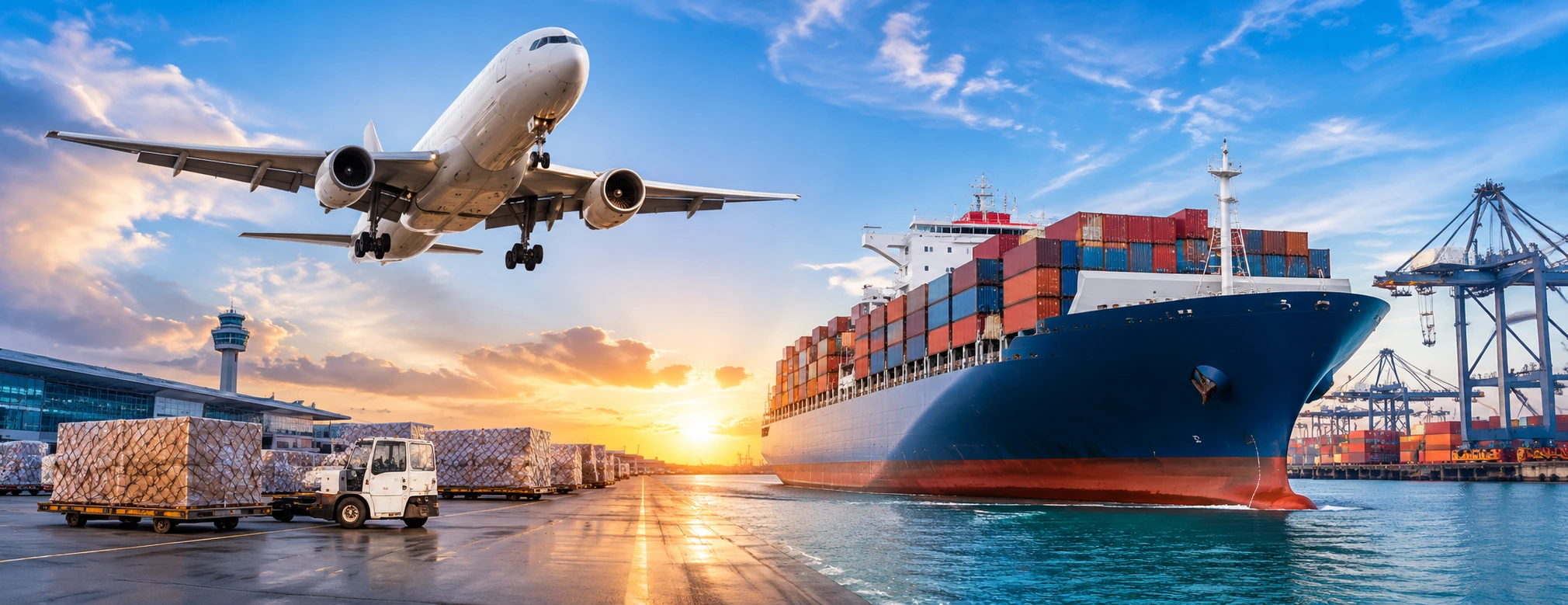
In today’s global business environment, choosing the right shipping method is essential for maintaining an efficient and cost-effective supply chain. Businesses involved in international trade must consider several factors when transporting goods, including delivery time, shipping costs, cargo volume, and destination requirements.
Two of the most commonly used international shipping methods are air freight and ocean freight. Both offer reliable ways to move goods across countries, but they differ significantly in terms of cost, speed, capacity, and suitability for different types of cargo.
Air freight is generally preferred for urgent, lightweight, and high-value shipments, while ocean freight is often a more economical solution for transporting large quantities of goods over long distances.
Understanding the differences between air freight and ocean freight can help businesses make informed logistics decisions, control transportation expenses, and improve supply chain efficiency.
In this guide, we will compare air freight vs ocean freight, explore their costs, delivery speeds, advantages, and help you determine which shipping method is best for your business.
Air freight is a shipping method that involves transporting goods from one location to another using commercial passenger aircraft or dedicated cargo planes. It is one of the fastest ways to move products internationally, making it an ideal choice for businesses that require quick and dependable deliveries.
Air freight services are commonly used to transport electronics, pharmaceuticals, medical equipment, fashion products, automotive components, and other time-sensitive shipments.
The shipping process generally involves collecting goods from the supplier, transporting them to an airport, completing export documentation and customs procedures, loading the cargo onto an aircraft, and delivering it to the destination airport. The shipment then goes through import customs clearance before reaching the final destination.
Key Features of Air Freight:
Faster international transportation compared to ocean freight.
Suitable for urgent and time-sensitive deliveries.
Ideal for lightweight and high-value products.
Regular flight schedules between major international destinations.
Reduced transit time and inventory holding requirements.
For businesses that prioritize speed and timely delivery, air freight offers an effective international shipping solution.
Ocean freight, also known as sea freight, is a transportation method that involves moving goods between countries using cargo ships. It is one of the most widely used international shipping methods because of its ability to transport large quantities of cargo at relatively low costs.
Ocean freight is particularly suitable for businesses shipping heavy machinery, industrial equipment, furniture, construction materials, raw materials, and bulk commodities.
Goods are generally transported in shipping containers, which are loaded onto cargo vessels at the departure port and unloaded at the destination port.
There are two common types of ocean freight services:
Full Container Load (FCL): FCL shipping is used when a business books an entire shipping container for its cargo. It is suitable for large shipments that require dedicated container space.
Less than Container Load (LCL): LCL shipping allows multiple businesses to share space inside a single shipping container. It is a cost-effective option for smaller shipments that do not require a full container.
Key Features of Ocean Freight:
Economical transportation for large shipments.
Suitable for heavy and oversized cargo.
Flexible FCL and LCL shipping options.
High cargo capacity for international trade.
Generally lower emissions per tonne-kilometre compared to air freight.
Ocean freight is an excellent choice for businesses that prioritize cost savings and need to transport large quantities of goods internationally.
Although both air freight and ocean freight are used for international transportation, they serve different shipping requirements.
Understanding their key differences can help businesses select the most appropriate transportation method.
| Comparison Factor | Air Freight | Ocean Freight |
|---|---|---|
| Transportation | Aircraft | Cargo ships |
| Shipping Speed | Faster | Slower |
| Shipping Cost | Generally higher | Generally lower |
| Cargo Capacity | Limited | Very high |
| Best For | Urgent and high-value goods | Heavy and bulk shipments |
| Delivery Time | Usually days | Usually weeks |
| Shipment Size | Small to medium cargo | Small to oversized cargo |
| Environmental Impact | Higher emissions per tonne-km | Generally lower emissions per tonne-km |
The best option depends on your shipment requirements, delivery deadlines, budget, and cargo specifications.
Shipping costs are among the most important considerations when choosing between air freight and ocean freight.
In most cases, air freight is more expensive than ocean freight because aircraft have limited cargo capacity and higher operating costs. However, it offers faster delivery, which can help businesses reduce inventory costs and avoid delays.
Ocean freight is generally more affordable for transporting large and heavy shipments because cargo ships can carry thousands of containers in a single journey.
Several factors influence the total cost of air freight:
Cargo Weight: Shipping charges are calculated using actual or volumetric weight, whichever is greater.
Cargo Dimensions: Larger packages may occupy more aircraft space, increasing transportation costs.
Fuel Surcharges: Changes in aviation fuel prices can affect freight rates.
Destination: Shipping routes, airport handling, and destination charges influence the final price.
Urgency: Express or priority air freight services may involve additional charges.
Ocean freight pricing depends on several elements, including:
Container Size: The cost depends on whether you require a 20-foot or 40-foot container.
Cargo Volume: LCL shipping costs are generally calculated based on cargo volume or weight.
Shipping Route: Distance, port availability, and trade routes influence freight charges.
Port Charges: Terminal handling, documentation, and port-related fees contribute to the total cost.
Fuel Costs: Changes in marine fuel prices can affect ocean freight rates.
Which Is More Cost-Effective?
For large-volume and heavy shipments, ocean freight is generally the more economical choice. For smaller, urgent, or high-value shipments, air freight may offer better overall value despite its higher transportation cost.
Businesses should compare the complete shipping cost, including handling, customs, insurance, and final delivery, before making a decision.
Delivery speed is another major difference between these two transportation methods.
Air freight is significantly faster because aircraft can cover long international distances in a relatively short period. Ocean freight takes longer because cargo ships travel at lower speeds and must follow specific maritime routes.
International air freight shipments typically take around 1–7 days of transit time, depending on the origin, destination, flight availability, and service type.
Air freight is particularly beneficial for businesses that need to:
Deliver urgent customer orders.
Transport perishable products.
Replenish inventory quickly.
Ship time-sensitive manufacturing components.
Meet strict delivery deadlines.
Ocean freight shipments generally take around 15–45 days or longer, depending on the shipping route, port congestion, vessel schedules, and customs clearance requirements.
It is more suitable for businesses that can plan shipments in advance and do not require immediate delivery.
Important: These are general transit-time estimates, not guaranteed delivery schedules. Actual door-to-door delivery times may be longer because of pickup, documentation, customs clearance, port handling, and final transportation.
Air freight provides several advantages for businesses that prioritize fast and efficient international transportation.
One of the biggest advantages of air freight is its speed. Aircraft can transport goods between international destinations much faster than cargo ships, helping businesses meet urgent delivery requirements.
Air freight is suitable for products that need to reach their destinations quickly, including medical supplies, pharmaceuticals, perishable goods, and urgent industrial components.
Businesses transporting electronics, luxury products, specialized equipment, and other valuable goods often prefer air freight because shorter transit times can reduce the period goods remain in transportation.
Faster shipping allows businesses to replenish inventory more frequently and reduce the need to maintain large stock levels.
Major international airports generally offer frequent flight connections, providing businesses with more scheduling options for time-sensitive cargo.
Air freight helps businesses respond quickly to unexpected demand, production requirements, and urgent customer orders.
Ocean freight offers several important advantages, particularly for businesses involved in large-scale international trade.
Ocean freight is generally more affordable than air freight, especially when transporting heavy cargo or large quantities of products.
Cargo ships can transport industrial machinery, vehicles, construction materials, and oversized equipment that may be difficult or expensive to transport by air.
Shipping vessels can carry thousands of containers in a single journey, making ocean freight suitable for businesses with substantial shipping requirements.
FCL and LCL services allow businesses to select container arrangements based on their shipment volume and budget.
Manufacturers, wholesalers, retailers, and import-export businesses often use ocean freight to transport large quantities of raw materials and finished products.
Ocean freight generally produces fewer greenhouse gas emissions per tonne-kilometre than air freight, making it a more fuel-efficient option for transporting large cargo volumes.
Air freight is the right choice when delivery speed is more important than minimizing transportation costs.
Businesses should consider air freight in the following situations:
Urgent Business Deliveries: When products must reach customers or business partners within a short period.
Perishable Goods: When transporting products such as fresh produce, flowers, and certain food items that require quick delivery.
Electronics: When shipping valuable electronic products, components, and specialized devices.
Medical and Pharmaceutical Products: When transporting medicines, medical supplies, and temperature-sensitive products under appropriate handling conditions.
Small Shipments: When cargo volume is relatively low and faster delivery justifies the additional expense.
Time-Sensitive Orders: When delayed shipments could affect customer satisfaction or business operations.
Air freight is particularly useful for businesses that operate in competitive markets where delivery speed can directly influence customer experience.
Ocean freight is generally the better option when businesses need to transport large quantities of goods while controlling shipping expenses.
Consider ocean freight in the following situations:
Large-Volume Shipments: When transporting substantial quantities of commercial products.
Heavy Industrial Equipment: When shipping machinery, manufacturing equipment, and oversized goods.
Furniture and Household Goods: When moving furniture, appliances, and other bulky products internationally.
Construction Materials: When transporting steel, tiles, building materials, and other heavy supplies.
Bulk Commodities: When shipping raw materials, agricultural products, and industrial commodities.
Flexible Delivery Schedules: When shipments can accommodate longer transit times.
Ocean freight is especially beneficial for manufacturers, distributors, wholesalers, and businesses that regularly import or export large cargo volumes.
There is no single shipping method that is best for every business. The right choice depends on your cargo requirements, shipping budget, delivery deadlines, and supply chain priorities.
For example, consider a business importing electronic components from another country.
If the components are urgently required to prevent a production delay, air freight may be the better option because it offers faster transportation.
However, if the same business is importing large quantities of furniture or industrial materials with a flexible delivery schedule, ocean freight may provide substantial cost savings.
Here is a simple way to decide:
| Business Requirement | Recommended Shipping Method |
|---|---|
| Urgent delivery | Air Freight |
| Lower shipping cost | Ocean Freight |
| Heavy machinery | Ocean Freight |
| High-value electronics | Air Freight |
| Large commercial shipments | Ocean Freight |
| Perishable products | Air Freight, where suitable |
| Small urgent orders | Air Freight |
| Bulk raw materials | Ocean Freight |
Businesses should also consider combining both shipping methods when appropriate. For example, regular inventory can be transported by ocean freight, while urgent stock replenishments can be shipped by air freight.
This approach helps businesses balance transportation costs with delivery requirements.
Selecting the right freight forwarding company is just as important as choosing between air freight and ocean freight.
An experienced logistics partner can simplify international shipping, coordinate transportation, manage documentation, and help businesses avoid unnecessary delays.
Here are some important factors to consider when choosing a freight forwarding partner:
Choose a freight forwarding company with experience handling international shipments and knowledge of different shipping routes and destination requirements.
A reliable logistics partner should provide clear quotations and explain transportation charges, handling fees, and additional costs.
International shipments require accurate documentation and compliance with import and export regulations. Professional assistance can help reduce documentation errors and clearance delays.
A strong international network helps coordinate shipments across different countries, ports, airports, and transportation providers.
Regular shipment updates and clear communication help businesses monitor cargo movement and plan their operations effectively.
A dependable freight forwarding partner should offer air freight, ocean freight, and other logistics services based on different business requirements.
Working with an experienced logistics provider can help businesses improve shipping efficiency, manage costs, and maintain a reliable international supply chain.
Choosing between air freight and ocean freight depends on your business priorities, shipment size, budget, and delivery expectations.
Air freight is the preferred option for businesses that require fast international deliveries, especially when transporting urgent, lightweight, and high-value products. Ocean freight is generally more economical for large, heavy, and bulk shipments where delivery time is less critical.
Understanding the differences between these two shipping methods allows businesses to make smarter logistics decisions, control transportation expenses, and improve supply chain performance.
Whether you need fast air cargo transportation or cost-effective ocean shipping, working with a reliable freight forwarding partner can make international logistics easier and more efficient.
Scanwell Logistics provides logistics solutions designed to support businesses with their international shipping requirements. Contact our team to discuss your cargo requirements and find a suitable freight transportation solution for your business.
Yes, air freight is generally more expensive than ocean freight because aircraft have limited cargo capacity and higher operating costs. Ocean freight is usually more economical for transporting large and heavy shipments.
Air freight typically takes around 1–7 days of transit time, while ocean freight can take approximately 15–45 days or longer. Actual delivery times depend on the shipping route, schedules, and customs procedures.
Both options have advantages. Air freight is better for urgent and time-sensitive shipments, while ocean freight is generally more suitable for large shipments and businesses looking to reduce transportation costs.
Air freight is commonly used for electronics, pharmaceuticals, medical supplies, fashion products, perishable goods, and high-value items that require faster transportation.
Yes. Businesses with smaller cargo volumes can use Less than Container Load (LCL) services, which allow multiple shipments to share container space.
Full Container Load (FCL) means booking an entire shipping container for your cargo. Less than Container Load (LCL) means sharing container space with shipments from other businesses.
Ocean freight generally produces lower greenhouse gas emissions per tonne-kilometre compared to air freight. However, the overall environmental impact depends on cargo type, vessel efficiency, route, and transportation arrangements.
Yes. Businesses can use both shipping methods as part of a combined logistics strategy. Ocean freight can handle regular bulk shipments, while air freight can be used for urgent deliveries and inventory replenishment.


