 Mar 17, 2026
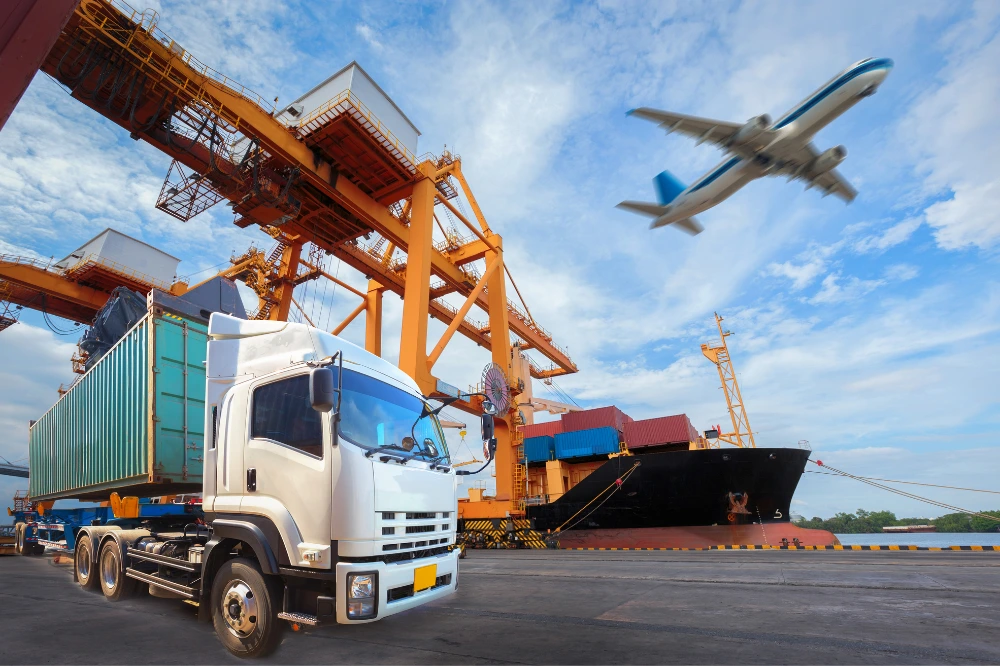
Transportation is the backbone of global trade, economic growth, and modern living. It enables the efficient movement of goods and people across regions, countries, and continents. As industries expand and supply chains become more complex, choosing the right mode of transportation has become a critical decision for businesses and logistics providers.
There are four primary traditional modes of transportation—roadways, railways, airways, and waterways—along with a modern and highly efficient approach known as multimodal transportation. Each mode has unique characteristics that make it suitable for specific purposes. This article provides a detailed comparative study of these transportation methods based on cost, speed, flexibility, capacity, reliability, and overall efficiency.
A transportation system refers to the infrastructure and operations that facilitate the movement of goods and passengers. It plays a vital role in connecting markets, supporting industries, and enhancing accessibility.
The choice of transportation mode depends on several key factors:
Distance to be covered
Nature of goods
Budget constraints
Urgency of delivery
Infrastructure availability
Understanding these factors is essential for selecting the most efficient and cost-effective transportation method.
Road transport is the most widely used and accessible mode of transportation. It involves vehicles such as trucks, buses, vans, and cars operating on road networks.
Door-to-door delivery
Flexible routes and schedules
Ideal for short to medium distances
One of the biggest advantages of road transport is its ability to provide door-to-door service, eliminating the need for multiple handling stages. This makes it highly efficient for last-mile delivery.
Flexibility is another major benefit. Routes and schedules can be adjusted easily based on customer requirements. Road transport is especially useful in rural and remote areas where other modes may not be available.
Additionally, the initial investment required for road transport is relatively low compared to railways and airways, making it accessible for small and medium businesses.
Road transport is not ideal for long-distance transportation of heavy or bulky goods due to higher fuel and maintenance costs. Traffic congestion, accidents, and weather conditions can also lead to delays.
Moreover, it has a higher environmental impact compared to rail and water transport due to carbon emissions.
Rail transport is a highly efficient mode for transporting large volumes of goods and passengers over long distances. It operates on fixed tracks with predefined schedules.
High capacity
Cost-effective for bulk transport
Fixed routes and schedules
Railways are ideal for transporting heavy and bulky goods such as coal, cement, and agricultural products. The cost per unit decreases significantly with increased volume, making it economical for large shipments.
Rail transport is also more reliable than road transport because it is less affected by traffic congestion. It operates on fixed schedules, ensuring consistency in delivery.
Another advantage is energy efficiency, as railways consume less fuel per ton of cargo, making them more environmentally friendly.
The main limitation of rail transport is its lack of flexibility. Since trains operate on fixed tracks, they cannot provide door-to-door service. Additional transportation is required to complete the delivery.
The infrastructure cost for railways is also very high, involving significant investment in tracks, stations, and maintenance.
Water transport includes inland waterways such as rivers and canals, as well as ocean transport. It is one of the oldest and most economical modes of transportation.
Suitable for international trade
High carrying capacity
Low cost for bulk goods
Water transport is the most cost-effective option for transporting heavy and bulky goods over long distances. Ships can carry massive quantities of cargo, making it ideal for global trade.
It is also relatively safe and environmentally friendly, producing fewer emissions per ton of cargo compared to road and air transport.
The major drawback of water transport is its slow speed, which makes it unsuitable for urgent deliveries. It is also limited to specific routes such as rivers, canals, and seas.
Weather conditions like storms and tides can disrupt operations and cause delays.
Air transport is the fastest mode of transportation and is widely used for long-distance travel and urgent shipments.
High speed
Global reach
Suitable for time-sensitive goods
The biggest advantage of air transport is speed. It allows goods and passengers to travel across continents in a matter of hours.
It is ideal for transporting perishable items, medical supplies, and high-value goods such as electronics and jewelry. Air transport is also crucial in emergency situations, such as disaster relief.
Another benefit is its ability to overcome geographical barriers like mountains and oceans.
Air transport is the most expensive mode due to high operational and fuel costs. It also has limited capacity compared to rail and water transport.
Flights can be affected by weather conditions, and the environmental impact is significant due to carbon emissions.
Multimodal transportation is a modern logistics approach that combines two or more modes of transportation—such as road, rail, air, and water—into a single, integrated system.
Combination of multiple transport modes
Single contract or logistics provider
Optimized for cost and efficiency
One of the biggest advantages of multimodal transportation is efficiency. By combining different modes, businesses can leverage the strengths of each system.
For example:
Water transport for international shipping
Rail transport for long-distance inland movement
Road transport for last-mile delivery
This combination reduces overall transportation costs and improves delivery timelines.
Multimodal transportation also simplifies logistics management. A single service provider handles the entire process, reducing paperwork and coordination issues.
Another major benefit is flexibility. Businesses can adapt their transportation strategy based on changing requirements, such as cost constraints or delivery urgency.
Despite its advantages, multimodal transportation can be complex to manage. It requires proper coordination between different modes and infrastructure systems.
Delays in one mode can affect the entire supply chain. Additionally, it may require advanced tracking systems and experienced logistics providers to ensure smooth operations.
A detailed comparison highlights the strengths and limitations of each mode:
Water transport is the cheapest
Rail transport is economical for bulk goods
Road transport is moderate
Air transport is the most expensive
Multimodal transport optimizes overall cost
Air transport is the fastest
Road and rail offer moderate speed
Water transport is the slowest
Multimodal transport balances speed and cost
Water and rail transport have the highest capacity
Road transport has moderate capacity
Air transport has limited capacity
Road transport is the most flexible
Rail and water are less flexible
Multimodal transport offers high adaptability
Rail transport is highly reliable
Road transport is moderately reliable
Air and water depend on weather conditions
Multimodal transport improves reliability through planning
Rail and water transport are eco-friendly
Road and air transport have higher emissions
Multimodal transport reduces overall environmental impact
Selecting the right mode of transportation is essential for ensuring efficient logistics and customer satisfaction. The decision depends on:
Nature of goods (perishable, bulky, fragile)
Distance and location
Budget and cost considerations
Delivery urgency
For instance:
Perishable goods are best transported by air
Bulk goods are ideal for rail or water
Local deliveries are best handled by road
Complex logistics benefit from multimodal transport
Transportation is a critical component of the global economy, enabling the movement of goods and people efficiently. Each mode—road, rail, water, air, and multimodal—has its own advantages and limitations.
Road transport provides flexibility and accessibility, rail transport offers cost-effective bulk movement, water transport ensures economical long-distance shipping, and air transport delivers unmatched speed. Multimodal transportation, on the other hand, combines the strengths of all these modes to create a highly efficient and optimized logistics solution.
In today’s fast-paced and interconnected world, businesses increasingly rely on multimodal transportation to reduce costs, improve delivery times, and enhance supply chain efficiency.
By understanding the comparative benefits of each transportation mode, businesses can make informed decisions and achieve long-term success in logistics and operations.


