 Nov 14, 2026
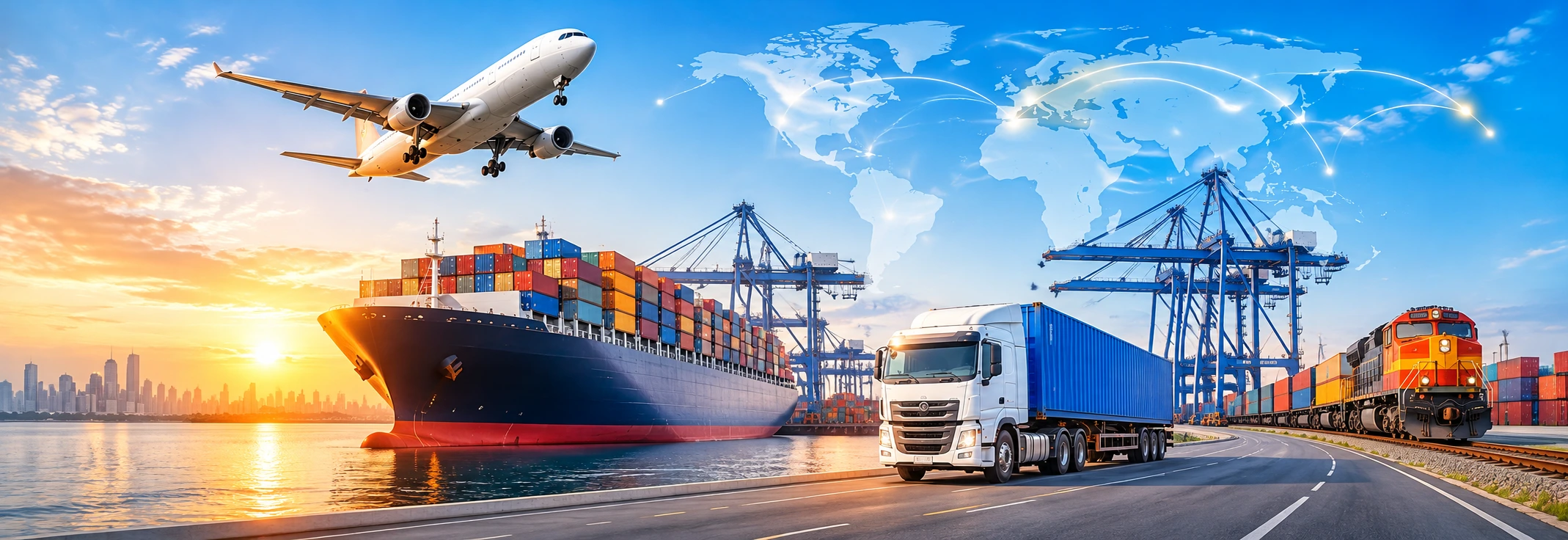
International trade has created new opportunities for Indian businesses to connect with customers and suppliers across the world. However, moving goods between countries involves several challenges, including transportation planning, customs clearance, shipping documentation, cargo handling and delivery coordination.
This is where freight forwarding plays an important role. It helps businesses manage the movement of goods from one location to another through an organised logistics process.
Whether you are importing raw materials, exporting finished products or managing international shipments for your manufacturing business, working with a reliable freight forwarding company can simplify your logistics operations.
In this guide, we will explain what freight forwarding is, how the process works, its different types, the documents required and how Indian importers and exporters can choose the right logistics partner.
Freight forwarding is the process of organising and coordinating the transportation of goods from one location to another, usually across domestic or international borders.
A freight forwarder acts as an intermediary between businesses and transportation service providers, helping coordinate shipments through air, ocean, road or rail networks.
Rather than operating every part of the transportation process independently, businesses can work with a freight forwarder to coordinate different logistics activities, including:
For Indian importers and exporters, freight forwarding services help simplify international shipping and make it easier to manage complex supply chain requirements.
A freight forwarder generally does not need to own ships, aircraft or trucks. Instead, they coordinate with carriers, customs brokers, warehouses and other logistics partners to facilitate cargo movement.
The freight forwarding process involves several stages, from understanding the shipment requirements to delivering goods at their final destination.
Here is how a typical international freight forwarding process works.
The first step involves understanding the business’s shipping requirements. The freight forwarder collects information about the type of goods, shipment weight, dimensions, origin, destination and expected delivery timeline.
This information helps determine the most suitable transportation method and logistics arrangements.
After understanding the shipment requirements, the freight forwarder evaluates available transportation options and prepares a freight quotation.
The quotation may include transportation charges, cargo handling, documentation, customs-related services and other applicable costs.
Route planning helps businesses balance transportation costs, delivery schedules and operational requirements.
Once the shipping arrangements are confirmed, cargo is collected from the supplier, manufacturer or designated pickup location.
The goods are then transported to the airport, seaport, warehouse or other departure facility, depending on the selected shipping method.
Before goods leave India, the required export documentation and customs procedures must be completed.
Common documents include commercial invoices, packing lists and shipping bills, depending on the nature of the shipment.
The freight forwarder coordinates the documentation and customs clearance process with the relevant parties.
After export clearance, the cargo is transported to its destination using the selected transportation mode.
Depending on the shipment requirements, goods may travel by air, ocean, road or rail.
When the shipment reaches its destination country, import customs procedures must be completed.
The importer may need to submit documents, provide shipment details and pay applicable customs duties and taxes.
The freight forwarder can coordinate with destination agents and customs service providers to facilitate this process.
After customs clearance and cargo release, the goods are arranged for transportation to the consignee’s warehouse, distribution centre or delivery address.
This completes the freight forwarding process.
Businesses can choose from different freight forwarding methods depending on their cargo requirements, transportation budget and delivery timelines.
Air freight forwarding involves transporting goods through commercial or dedicated cargo aircraft.
It is particularly suitable for businesses that need to move products quickly over long distances.
Key benefits include:
Air freight is commonly used for electronics, pharmaceuticals, automotive components, medical supplies and other time-sensitive goods.
Ocean freight forwarding involves transporting goods through cargo ships between international seaports.
It is widely used for international trade because it can accommodate large shipments and different types of cargo.
Ocean freight generally includes two common shipping arrangements:
Ocean freight is suitable for machinery, industrial equipment, raw materials, furniture, textiles and bulk commercial goods.
Road freight forwarding involves transporting cargo using trucks and other road vehicles.
It is commonly used for domestic transportation and cross-border cargo movement between countries connected by road networks.
Key benefits include:
Rail freight forwarding involves transporting goods through railway networks.
It can be a suitable option for certain long-distance cargo movements, particularly where established rail freight corridors are available.
Rail transportation is commonly used for containers, industrial goods, raw materials and heavy cargo.
Multimodal freight forwarding combines two or more transportation methods to move cargo from its origin to its destination.
For example, a shipment may travel by road from a factory to a seaport, by ocean freight to another country and then by road or rail to its final destination.
This approach provides flexibility when planning complex international shipments.
A professional freight forwarder can coordinate several logistics services to support international trade and supply chain operations.
Some important services include:
International Freight Forwarding: Coordination of international cargo transportation through suitable shipping routes and carriers.
Air and Ocean Freight Management: Arranging air cargo and ocean freight shipments based on delivery timelines, cargo type and budget.
Customs Clearance Coordination: Supporting the preparation and submission of relevant customs documentation and coordinating clearance procedures.
Import and Export Documentation: Helping businesses manage essential shipping documents and paperwork.
Warehousing and Distribution: Coordinating cargo storage, inventory handling and distribution activities.
Cargo Insurance Assistance: Helping arrange suitable cargo insurance coverage through relevant providers.
Door-to-Door Logistics: Coordinating transportation from the supplier’s location to the buyer’s designated delivery address.
Shipment Tracking: Providing shipment updates and improving visibility throughout the transportation process.
Project Cargo Logistics: Coordinating the movement of oversized, heavy or specialised industrial equipment.
The availability of these services depends on the freight forwarder’s network, capabilities and service arrangements.
India’s growing participation in international trade has increased the need for efficient logistics and transportation solutions.
For importers and exporters, managing international shipments involves coordinating multiple service providers, transportation routes, documentation requirements and customs procedures.
Freight forwarding helps simplify these activities.
Here are some important advantages:
Freight forwarders coordinate transportation arrangements and logistics activities, reducing the need for businesses to manage multiple service providers independently.
Proper shipment planning and coordination can help businesses manage the movement of goods more efficiently.
International shipments require accurate documentation. Freight forwarding partners can help coordinate the required paperwork and reduce avoidable documentation issues.
Businesses can select air, ocean, road or rail transportation depending on shipment requirements and available routes.
Freight forwarders can compare available transportation options and help businesses identify suitable shipping arrangements.
With access to international transportation networks and logistics partners, businesses can manage shipments to different markets more effectively.
Shipping documentation is an essential part of the international freight forwarding process.
Indian importers and exporters may need several documents depending on the product, destination country, transportation method and applicable regulations.
Some commonly required documents include:
| Document | Purpose |
|---|---|
| Commercial Invoice | Provides product details, transaction value and buyer and seller information. |
| Packing List | Contains packaging details, cargo weight and dimensions. |
| Bill of Lading (B/L) | Serves as an important ocean transport document and, depending on its type, may function as a document of title. |
| Air Waybill (AWB) | Acts as the transport document for air cargo shipments. |
| Shipping Bill | Used for export customs declarations in India. |
| Bill of Entry | Used for import customs declarations in India. |
| Certificate of Origin | Certifies the country of origin of goods. |
| Import Export Code (IEC) | Generally required for businesses undertaking import or export activities in India, subject to applicable exemptions. |
Depending on the shipment, additional documents may be required, such as insurance certificates, licences, permits, inspection certificates or product-specific compliance documents.
Businesses should verify the latest requirements with the relevant customs authorities and trade professionals before shipping.
Freight forwarding costs in India vary depending on the shipment’s origin, destination, cargo characteristics and selected transportation method.
There is no single fixed price for all international freight forwarding services because every shipment has different requirements.
Some of the major factors affecting freight forwarding costs include:
1. Shipment Weight and Dimensions: Freight charges may depend on actual weight, volumetric weight or chargeable weight.
2. Transportation Mode: Air, ocean, road and rail freight have different pricing structures.
3. Origin and Destination: Shipping distance, available routes and destination infrastructure can influence transportation charges.
4. Fuel and Freight Rates: Changes in fuel prices, carrier capacity and market demand can affect freight costs.
5. Customs Duties and Taxes: Applicable import duties, taxes and regulatory charges can increase the overall landed cost.
6. Cargo Handling and Warehousing: Storage, loading, unloading, packaging and special handling may involve additional charges.
7. Insurance and Additional Services: Cargo insurance, documentation and specialised logistics services may also affect the final quotation.
To understand the total shipping cost, businesses should request a detailed freight quotation that clearly identifies included services and additional charges.
Selecting the right freight forwarding company is important for businesses that regularly import or export goods.
A reliable logistics partner can help coordinate shipments, manage documentation and improve supply chain operations.
Consider the following factors when choosing a freight forwarder.
Look for a logistics partner with experience handling shipments similar to your business requirements.
A strong network of international agents, carriers and logistics partners can support smoother cargo movement across different countries.
Choose a company that can coordinate the transportation modes and additional logistics services your business needs.
Understanding import and export procedures is essential for managing international shipments and reducing avoidable delays.
Ask for a detailed quotation that explains freight charges, handling costs, documentation fees and other applicable expenses.
Regular shipment updates help businesses plan inventory, production and customer deliveries.
Clear communication is important when managing international shipments involving multiple parties and locations.
If your business ships pharmaceuticals, chemicals, oversized machinery or temperature-sensitive products, check whether the freight forwarder can coordinate the required specialised services.
International shipping can involve several operational challenges. Understanding these issues can help businesses prepare better and reduce disruptions.
Customs Clearance Delays: Incorrect documentation or missing information can delay customs processing. Verify all required documents before shipment.
Incorrect Shipping Documentation: Errors in invoices, packing lists or shipping declarations can create complications. Ensure shipment information is accurate and consistent.
Unexpected Freight Charges: Additional handling, storage or destination charges may increase the final shipping cost. Request a detailed quotation before confirming the shipment.
Cargo Damage: Improper packaging and handling can affect cargo condition. Follow appropriate packaging and cargo-handling requirements.
Shipment Delays: Weather conditions, port congestion, carrier schedules and customs procedures can affect delivery timelines. Plan shipments with reasonable time allowances.
Poor Communication: A lack of shipment updates can make supply chain planning difficult. Work with logistics partners who provide clear and timely communication.
Managing international shipments requires proper coordination, logistics expertise and access to reliable transportation networks.
Scanwell Logistics provides comprehensive logistics and freight forwarding solutions designed to support businesses with their transportation and supply chain requirements.
With over 40 years of logistics experience, Scanwell offers services across different areas of logistics, including:
Whether your business needs to transport commercial cargo, manage international shipments or coordinate specialised logistics requirements, Scanwell Logistics aims to provide solutions aligned with your operational needs.
Looking for reliable freight forwarding services for your import or export business?
Partner with Scanwell Logistics for coordinated cargo transportation and comprehensive logistics solutions. Contact our team today to discuss your shipping requirements and find a suitable logistics solution for your business.
Freight forwarding is the process of organising and coordinating the transportation of goods from one place to another. It involves arranging shipping, managing documentation and coordinating logistics activities.
A freight forwarder coordinates cargo transportation, freight bookings, shipping documentation, customs clearance arrangements and delivery services through carriers and other logistics partners.
Freight forwarding in India generally involves understanding shipment requirements, preparing a freight quotation, arranging cargo pickup, coordinating export documentation, managing international transportation and facilitating import customs clearance and final delivery.
A shipping company generally operates transportation services, such as cargo vessels or other transport assets. A freight forwarder coordinates the overall shipment process by working with carriers and other logistics providers.
The four main transportation methods used in freight forwarding are air freight, ocean freight, road freight and rail freight. Multimodal transportation can combine multiple methods.
The cost depends on cargo weight, dimensions, transportation mode, shipping distance, destination charges, customs-related costs and additional services. Businesses should request a shipment-specific quotation.
Common documents include commercial invoices, packing lists, bills of lading, air waybills, shipping bills, bills of entry and certificates of origin. Additional documents may be required depending on the shipment.
A freight forwarder can coordinate customs clearance and documentation through its own authorised arrangements or customs brokers. The importer or exporter remains responsible for applicable legal and regulatory obligations.
Delivery time depends on the transportation mode, origin, destination, carrier schedules, customs procedures and other operational factors. Air freight is generally faster than ocean freight.
Compare industry experience, international network, service coverage, customs expertise, pricing transparency, shipment visibility and customer support before selecting a freight forwarding company.
Freight forwarding plays an important role in connecting Indian businesses with international markets. From arranging transportation and managing shipping documentation to coordinating customs procedures and final delivery, freight forwarders help simplify complex logistics operations.
By understanding the freight forwarding process and choosing an experienced logistics partner, importers and exporters can improve shipment coordination and manage their international supply chains more effectively.
For businesses looking for dependable freight forwarding and logistics support, Scanwell Logistics offers a range of transportation and supply chain solutions to support domestic and international cargo requirements.


